Trout, Salmon & Catfish: world record vs average size
Cold-water icons and the catfish that outgrow them. The Kenai chinook and the Buggs Island blue cat show how far a big river system can stretch a species.
11 species <100×
| Species | All-tackle world record | Typical catch | Trophy size | Record ÷ average | Scale |
|---|---|---|---|---|---|
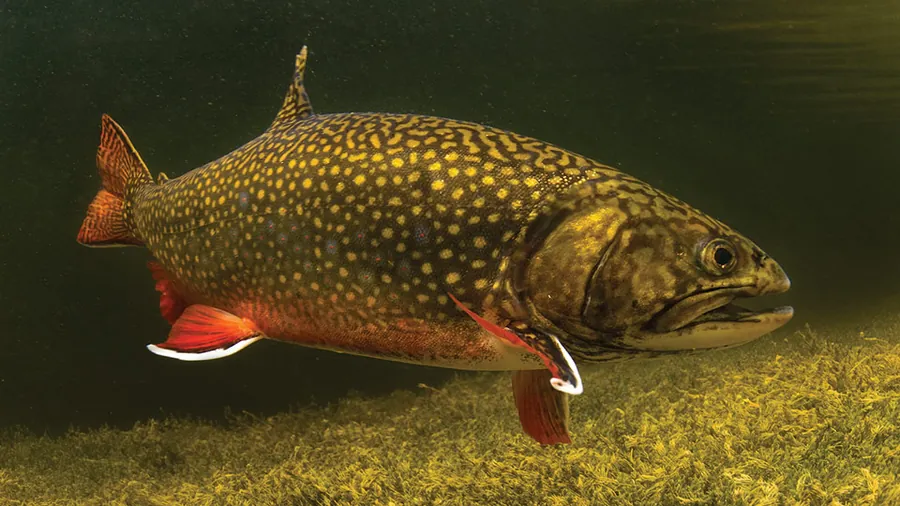 Brook TroutSalvelinus fontinalis |
14.5 lbNipigon River, ON, Canada (1916) | 0.8 lb | 4 lb | 19× | |
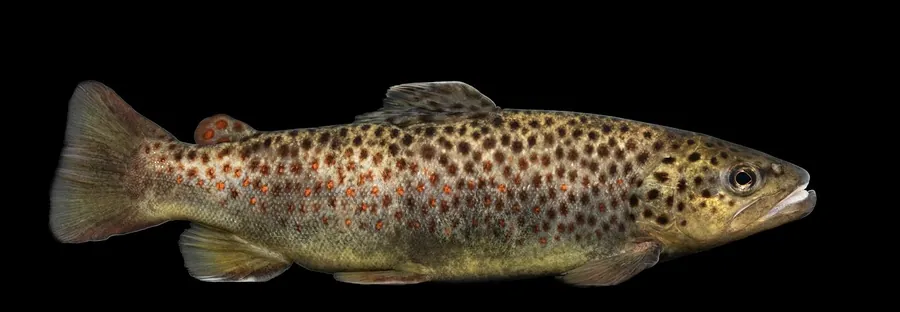 Brown TroutSalmo trutta |
42.1 lbLittle Red River, AR (1992) | 1 lb | 10 lb | 42× | |
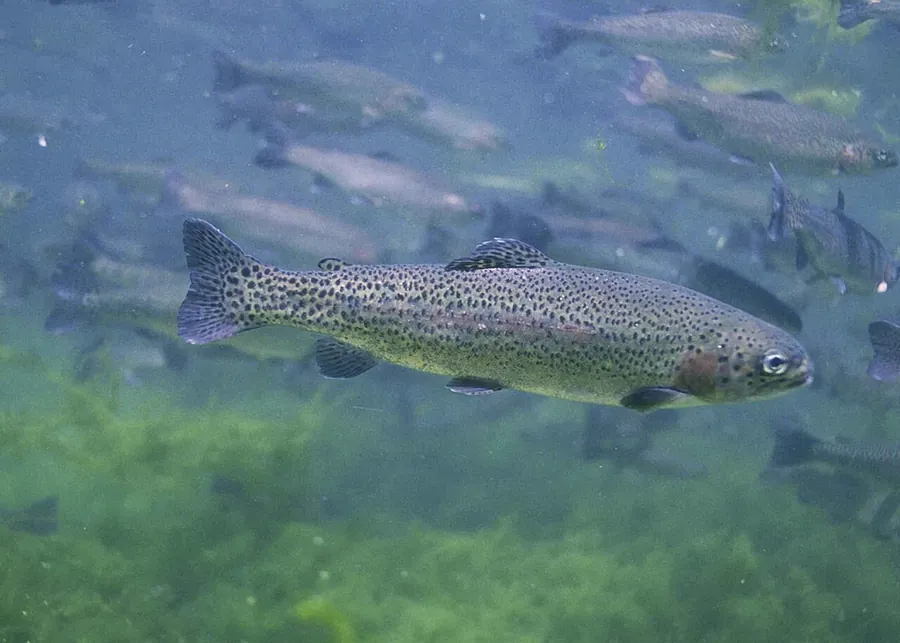 Rainbow TroutOncorhynchus mykiss |
48 lbLake Diefenbaker, SK, Canada (2009) | 1.5 lb | 8 lb | 32× | |
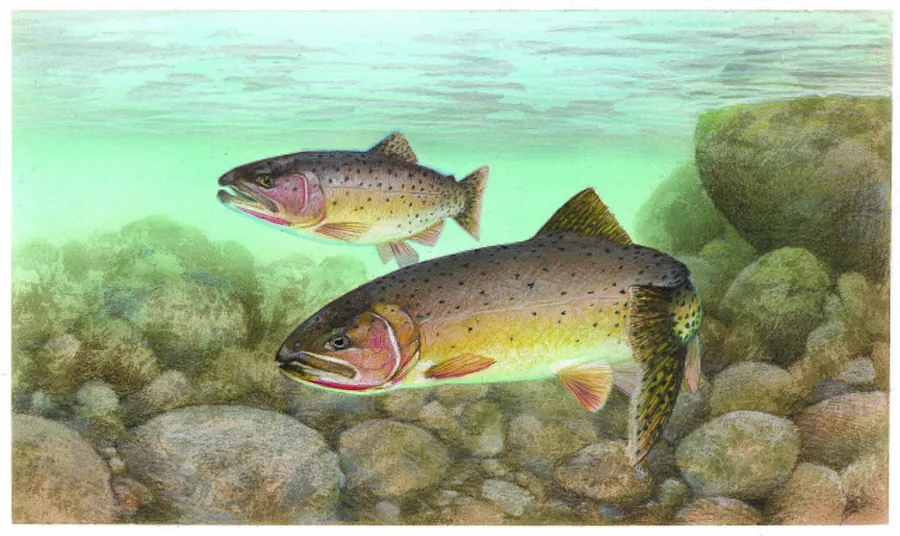 Cutthroat TroutOncorhynchus clarkii |
41 lbPyramid Lake, NV (1925) | 1 lb | 8 lb | 41× | |
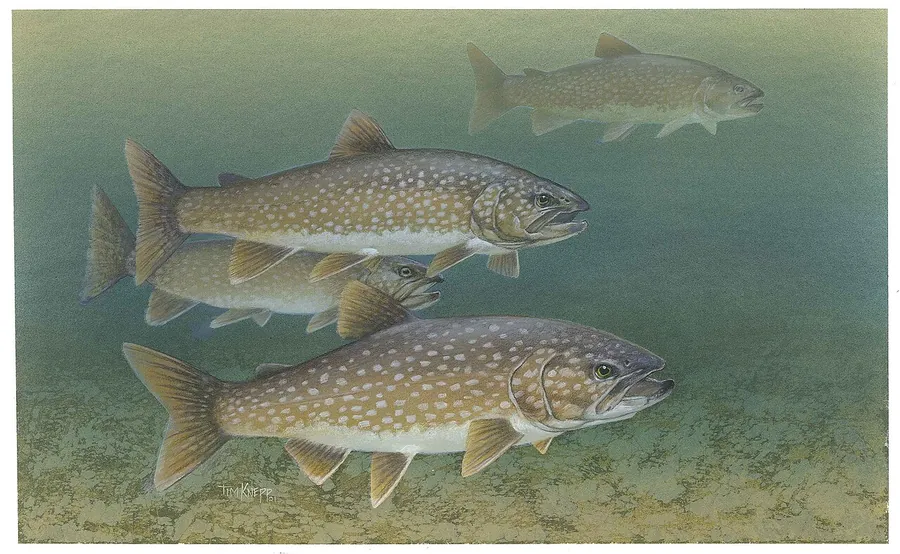 Lake TroutSalvelinus namaycush |
72 lbGreat Bear Lake, NT, Canada (1995) | 4 lb | 20 lb | 18× | |
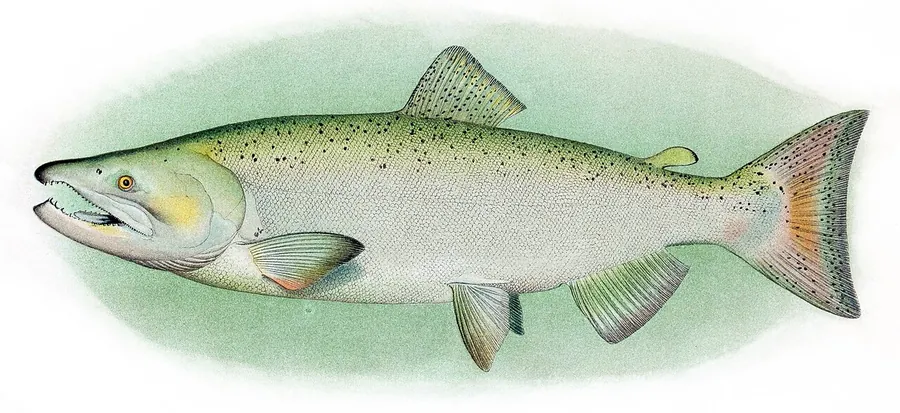 Chinook SalmonOncorhynchus tshawytscha |
97.4 lbKenai River, AK (1985) | 10 lb | 40 lb | 10× | |
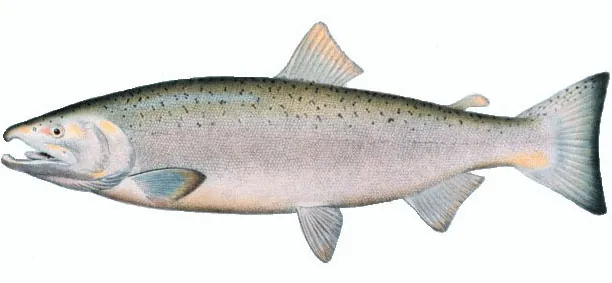 Coho SalmonOncorhynchus kisutch |
33.4 lbNew York, USA | 5 lb | 15 lb | 7× | |
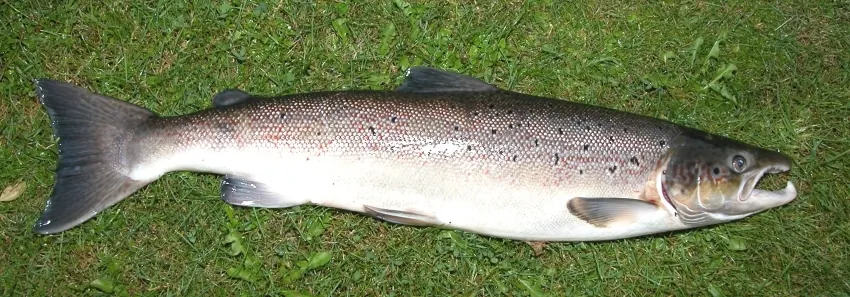 Atlantic SalmonSalmo salar |
79.2 lbTana River, Norway | 8 lb | 25 lb | 10× | |
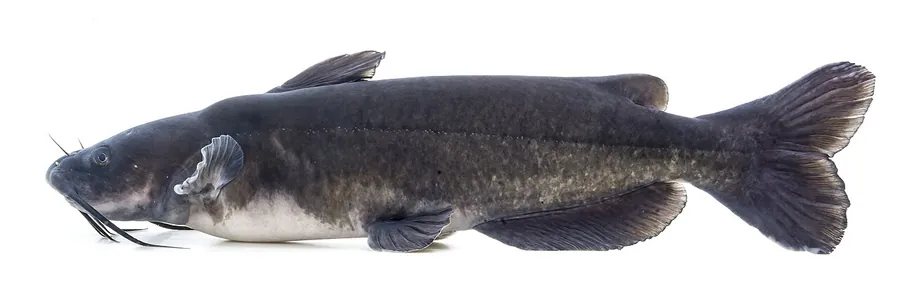 Channel CatfishIctalurus punctatus |
58 lbSantee-Cooper Reservoir, SC (1964) | 3 lb | 15 lb | 19× | |
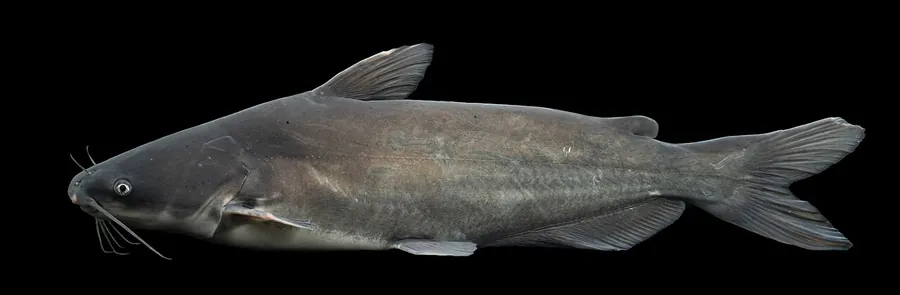 Blue CatfishIctalurus furcatus |
143 lbKerr Reservoir (Buggs Island), VA (2011) | 5 lb | 50 lb | 29× | |
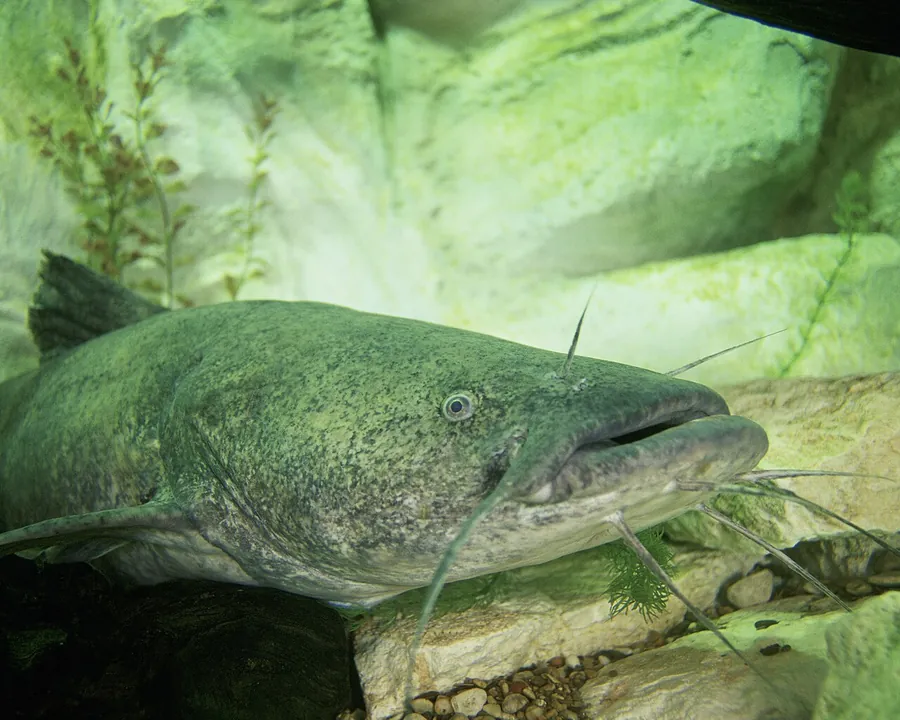 Flathead CatfishPylodictis olivaris |
123.6 lbElk City Reservoir, KS (1998) | 6 lb | 40 lb | 21× |
How to read these charts: each bar's full width is the all-tackle world record. The blue fill is a typical catch; the red notch is a trophy benchmark — a fish most anglers remember for years. The record figures are widely reported all-tackle marks; the IGFA record database is the authoritative source — verify current records there before planning a record attempt. Average and trophy figures are working benchmarks from charter and tournament norms, not official statistics.
Think you beat the average?
Photograph your catch and the AI fish identifier will help you confirm the species — then check it against the records above.
Identify my fish