Bass & Sunfish: world record vs average size
The everyday freshwater quarry. The gap between an average bluegill and the record book is smaller than you think — and the largemouth record has stood, tied, for decades.
7 species <100×
| Species | All-tackle world record | Typical catch | Trophy size | Record ÷ average | Scale |
|---|---|---|---|---|---|
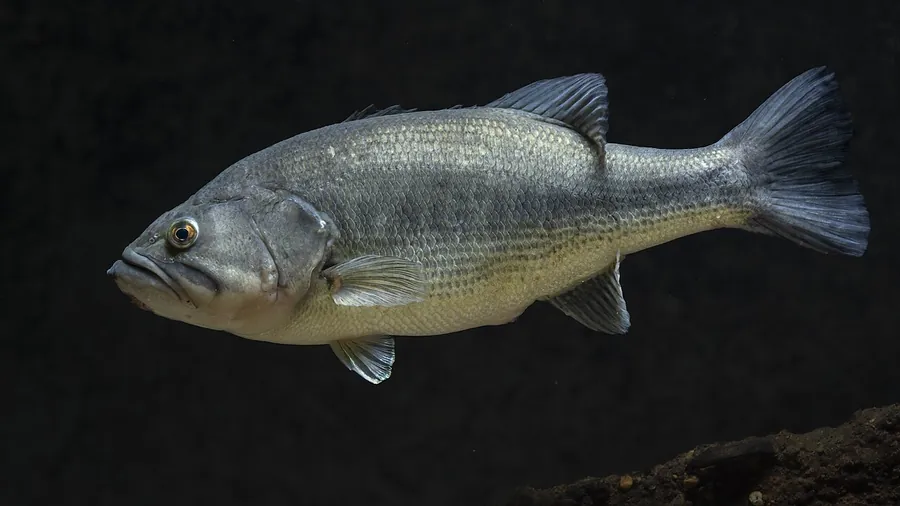 Largemouth BassMicropterus salmoides |
22.4 lbLake Biwa, Japan (2009) — ties George Perry's 1932 Georgia fish | 2 lb | 8 lb | 11× | |
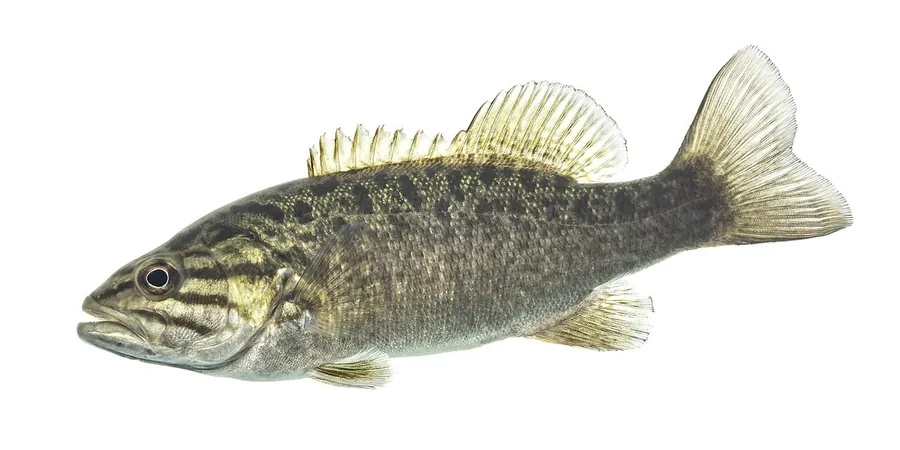 Smallmouth BassMicropterus dolomieu |
11.9 lbDale Hollow Lake, TN (1955) | 1.5 lb | 5 lb | 8× | |
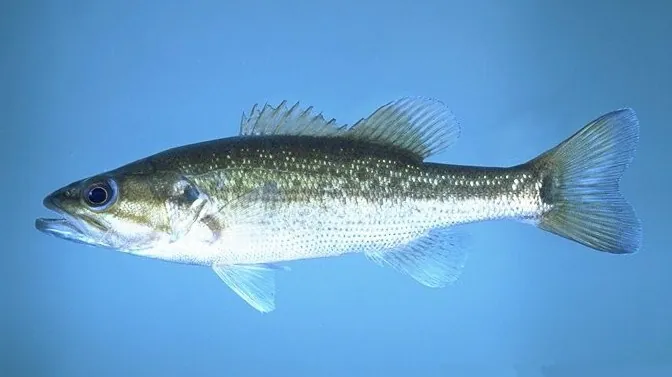 Spotted BassMicropterus punctulatus |
10.3 lbPine Flat Lake, CA (1994) | 1 lb | 4 lb | 10× | |
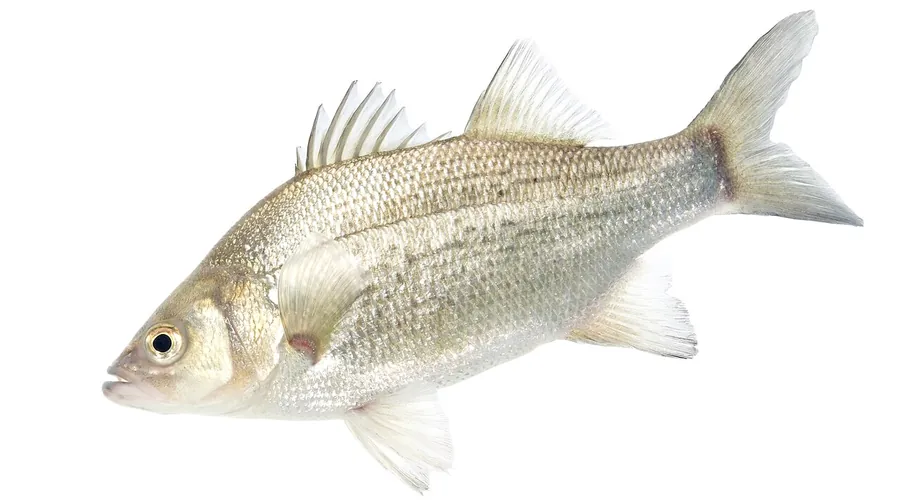 White BassMorone chrysops |
6.8 lbVirginia, USA | 1 lb | 3 lb | 7× | |
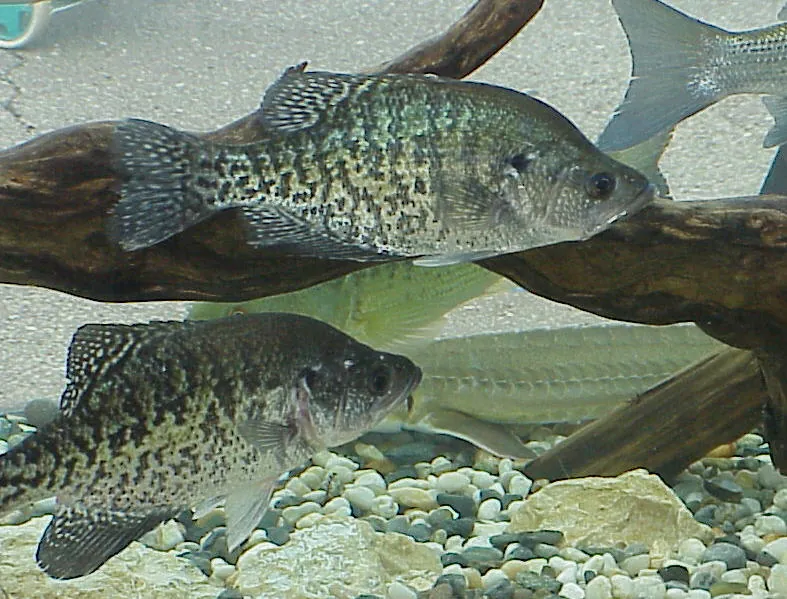 White CrappiePomoxis annularis |
5.2 lbEnid Dam, MS (1957) | 0.8 lb | 2 lb | 7× | |
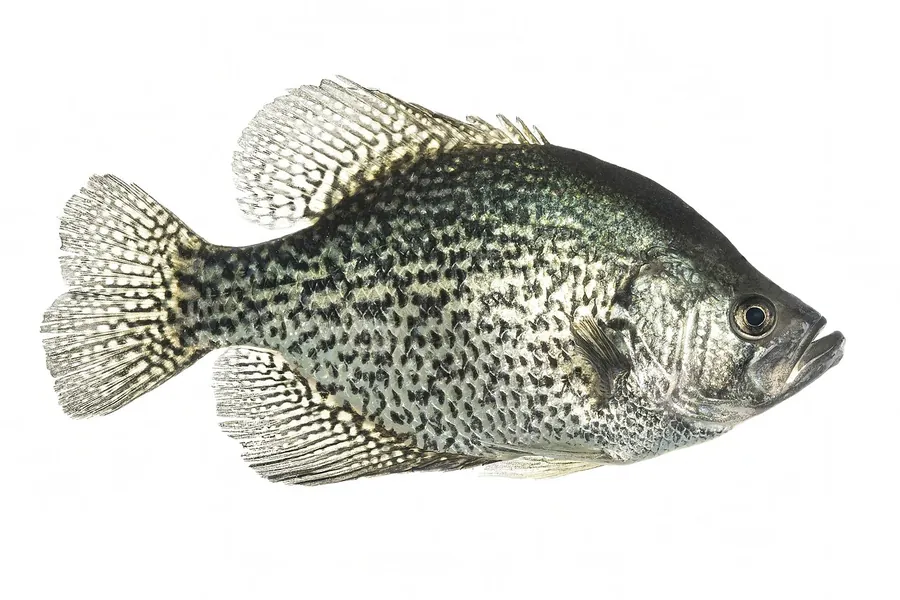 Black CrappiePomoxis nigromaculatus |
5 lbTennessee, USA (2018) | 0.8 lb | 2 lb | 7× | |
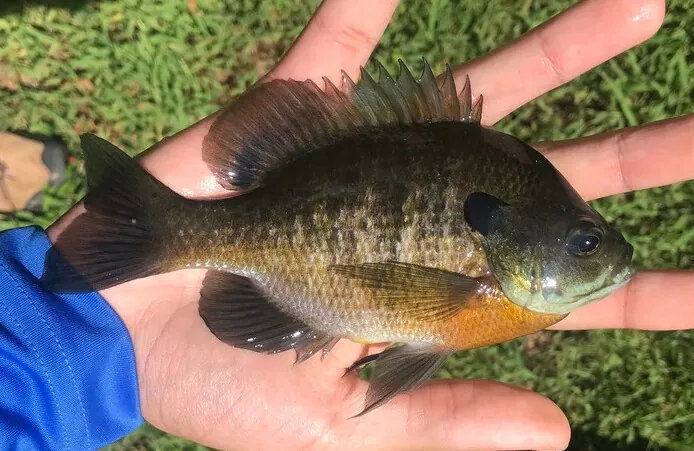 BluegillLepomis macrochirus |
4.8 lbKetona Lake, AL (1950) | 0.4 lb | 1 lb | 12× |
How to read these charts: each bar's full width is the all-tackle world record. The blue fill is a typical catch; the red notch is a trophy benchmark — a fish most anglers remember for years. The record figures are widely reported all-tackle marks; the IGFA record database is the authoritative source — verify current records there before planning a record attempt. Average and trophy figures are working benchmarks from charter and tournament norms, not official statistics.
Think you beat the average?
Photograph your catch and the AI fish identifier will help you confirm the species — then check it against the records above.
Identify my fish