Inshore Saltwater: world record vs average size
Bays, beaches and jetties. Red drum, halibut and cobia — the records here came from water you can reach in a bay boat or from shore.
13 species <100×
| Species | All-tackle world record | Typical catch | Trophy size | Record ÷ average | Scale |
|---|---|---|---|---|---|
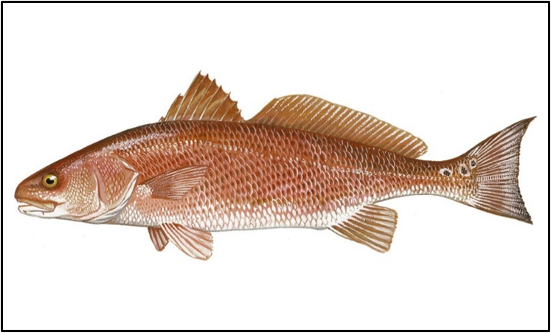 Red DrumSciaenops ocellatus |
94.1 lbCape Hatteras, NC (1984) | 5 lb | 40 lb | 19× | |
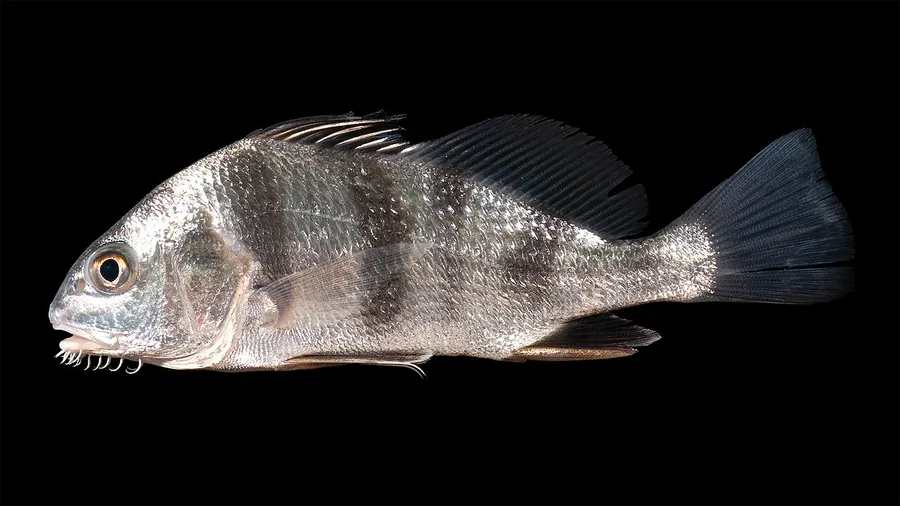 Black DrumPogonias cromis |
113 lbDelaware, USA | 8 lb | 60 lb | 14× | |
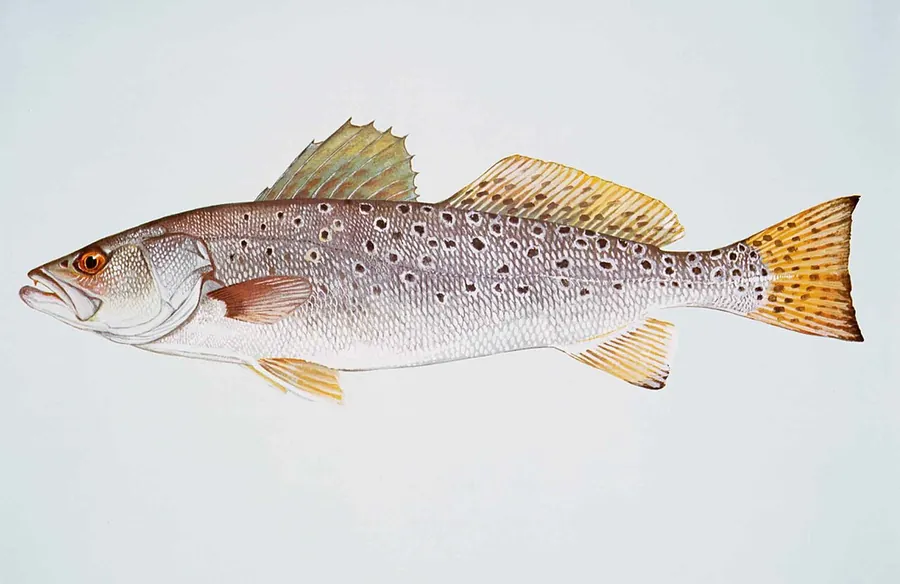 Spotted SeatroutCynoscion nebulosus |
17.4 lbFort Pierce, FL (1995) | 2 lb | 8 lb | 9× | |
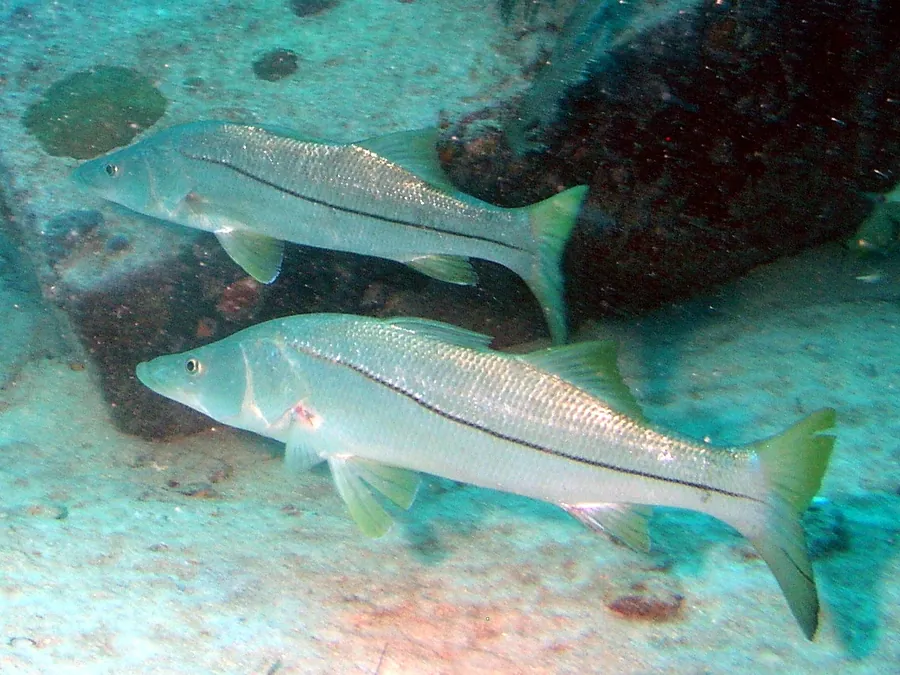 SnookCentropomus undecimalis |
53.6 lbCosta Rica (1978) | 5 lb | 25 lb | 11× | |
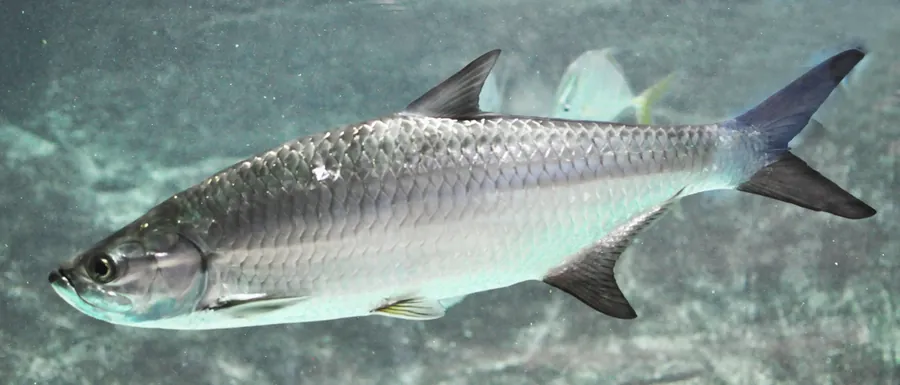 TarponMegalops atlanticus |
286.6 lbGuinea-Bissau (2003) | 60 lb | 150 lb | 5× | |
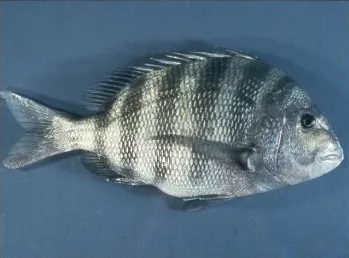 SheepsheadArchosargus probatocephalus |
21.3 lbLouisiana, USA (1992) | 2.5 lb | 10 lb | 9× | |
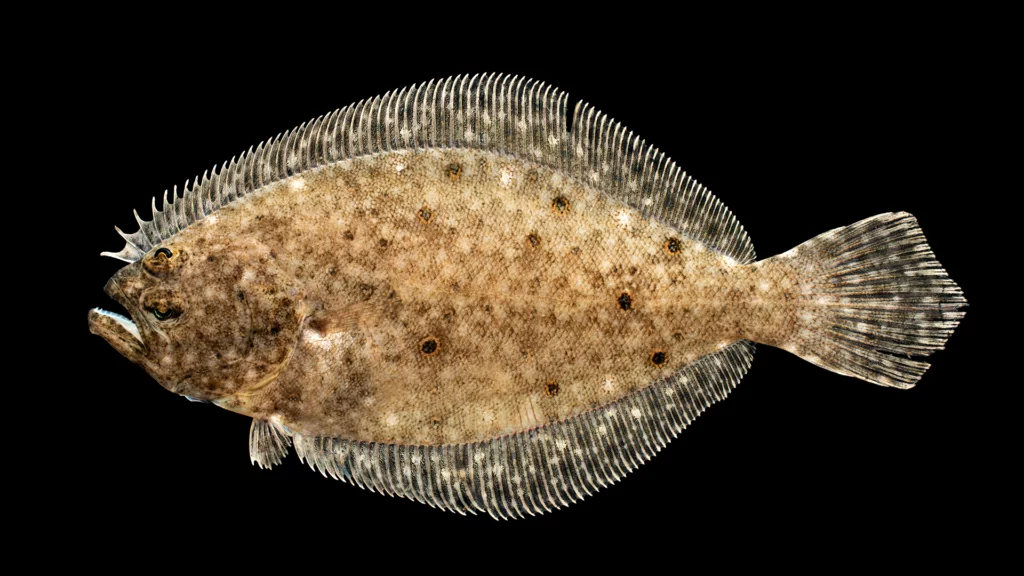 Summer FlounderParalichthys dentatus |
26.6 lbMontauk, NY (1975) | 3 lb | 12 lb | 9× | |
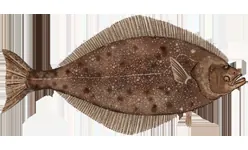 Pacific HalibutHippoglossus stenolepis |
459 lbDutch Harbor, AK (1996) | 25 lb | 150 lb | 18× | |
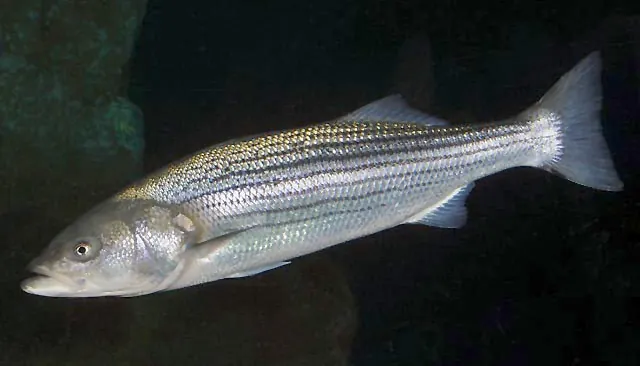 Striped BassMorone saxatilis |
78.5 lbAtlantic City, NJ (1982) | 10 lb | 40 lb | 8× | |
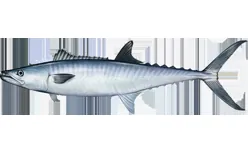 King MackerelScomberomorus cavalla |
90 lbPuerto Rico (1998) | 10 lb | 50 lb | 9× | |
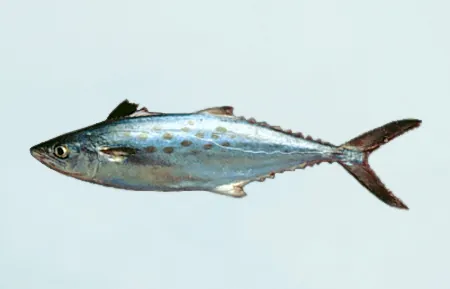 Spanish MackerelScomberomorus maculatus |
13 lbNorth Carolina, USA (1983) | 2 lb | 6 lb | 7× | |
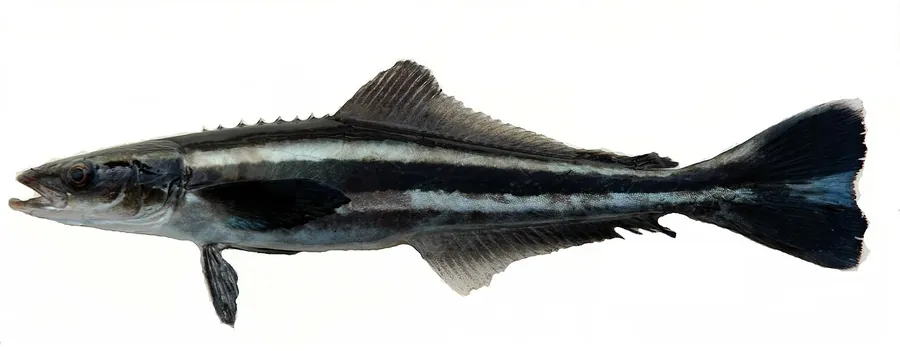 CobiaRachycentron canadum |
135.6 lbShark Bay, Australia (1985) | 20 lb | 70 lb | 7× | |
 Red SnapperLutjanus campechanus |
50.3 lbGulf of Mexico, USA | 5 lb | 20 lb | 10× |
How to read these charts: each bar's full width is the all-tackle world record. The blue fill is a typical catch; the red notch is a trophy benchmark — a fish most anglers remember for years. The record figures are widely reported all-tackle marks; the IGFA record database is the authoritative source — verify current records there before planning a record attempt. Average and trophy figures are working benchmarks from charter and tournament norms, not official statistics.
Think you beat the average?
Photograph your catch and the AI fish identifier will help you confirm the species — then check it against the records above.
Identify my fish