Pike, Walleye & Rough Fish: world record vs average size
Cool-water predators and river giants. The muskellunge record has survived 75 years of better gear and sonar; the alligator gar record is older than most living anglers.
7 species <100×
| Species | All-tackle world record | Typical catch | Trophy size | Record ÷ average | Scale |
|---|---|---|---|---|---|
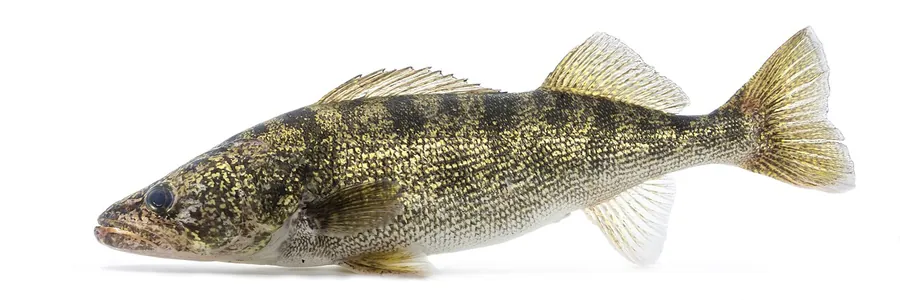 WalleyeSander vitreus |
25 lbOld Hickory Lake, TN (1960) | 2.5 lb | 10 lb | 10× | |
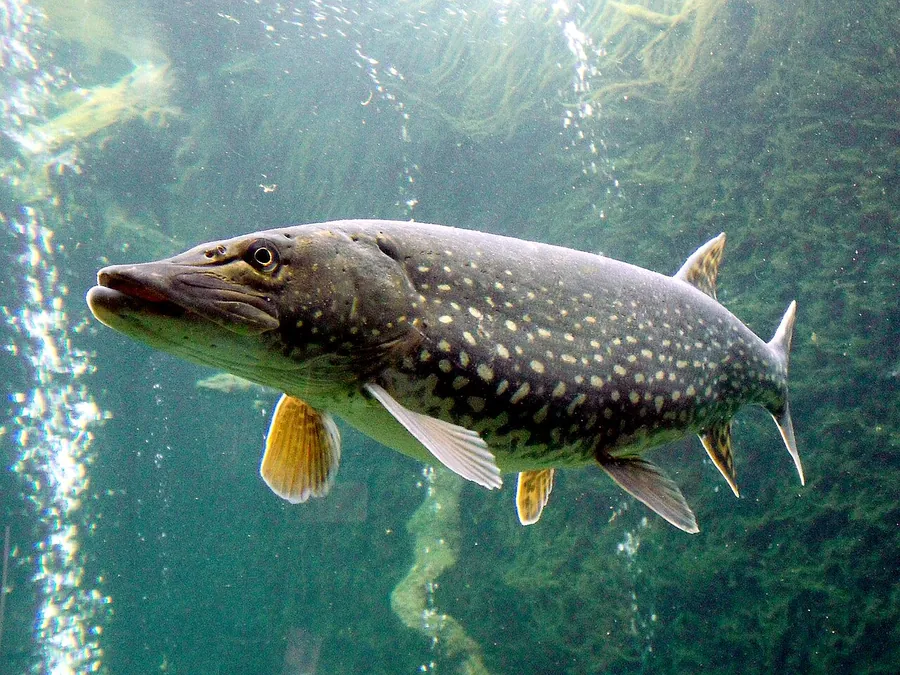 Northern PikeEsox lucius |
55.1 lbLake Grefeern, Germany (1986) | 3 lb | 15 lb | 18× | |
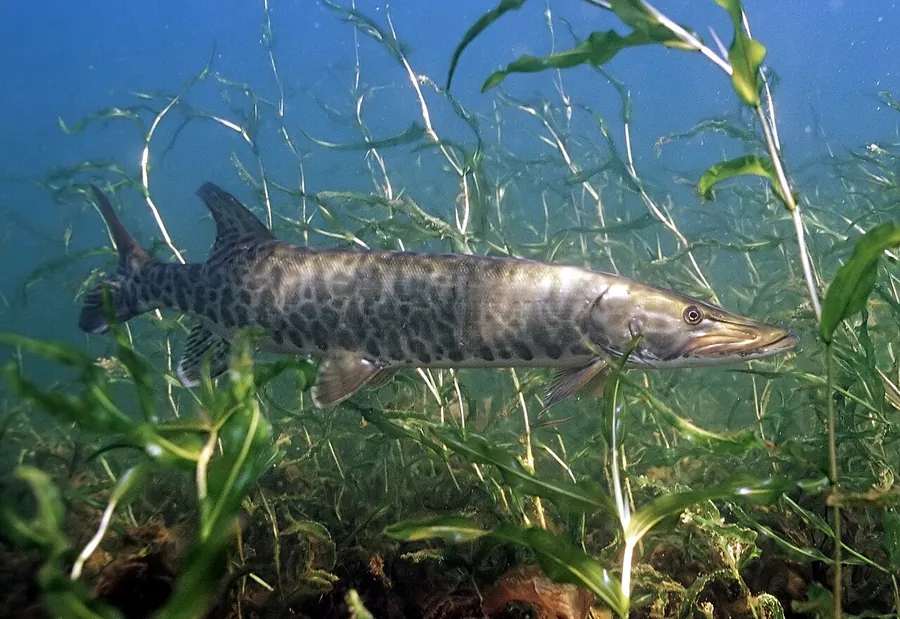 MuskellungeEsox masquinongy |
67.5 lbChippewa Flowage, WI (1949) | 8 lb | 30 lb | 8× | |
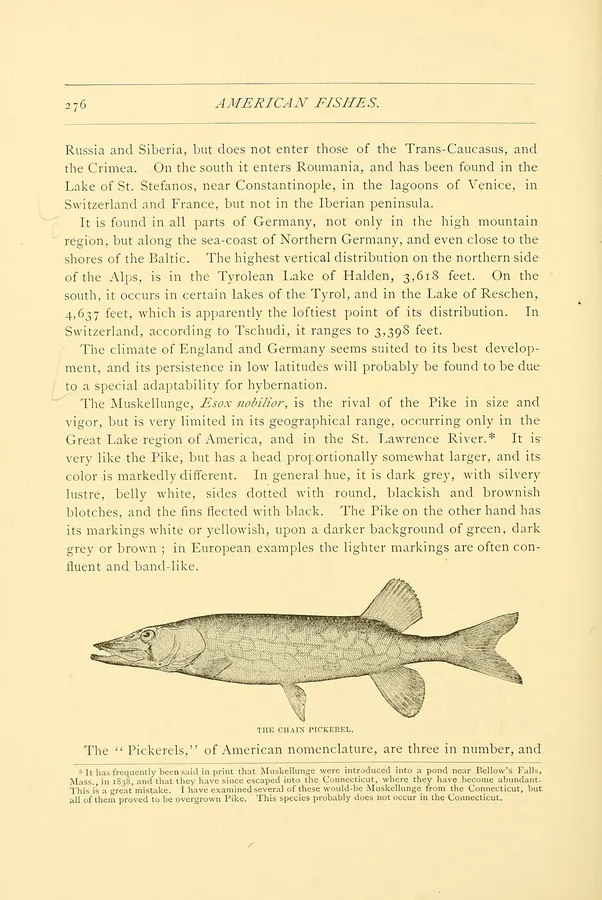 Chain PickerelEsox niger |
9.4 lbGeorgia, USA (1961) | 1.5 lb | 5 lb | 6× | |
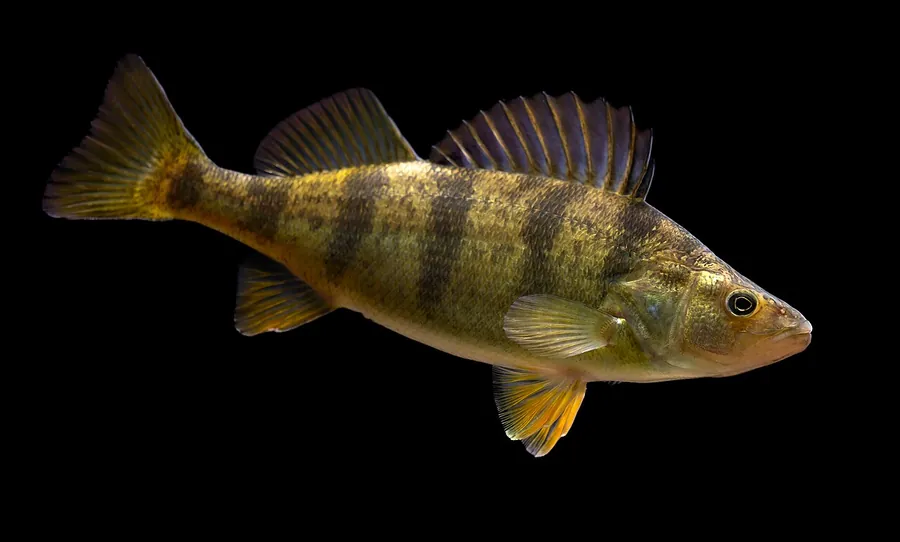 Yellow PerchPerca flavescens |
4.2 lbNew Jersey, USA (1865) | 0.4 lb | 1.5 lb | 11× | |
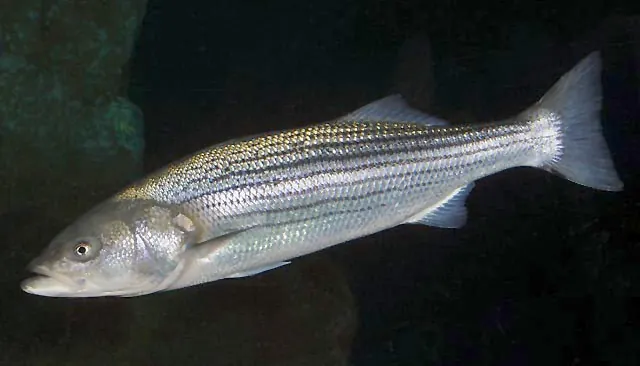 Striped BassMorone saxatilis |
69.6 lbBlack Warrior River, AL (2013) | 4 lb | 20 lb | 17× | |
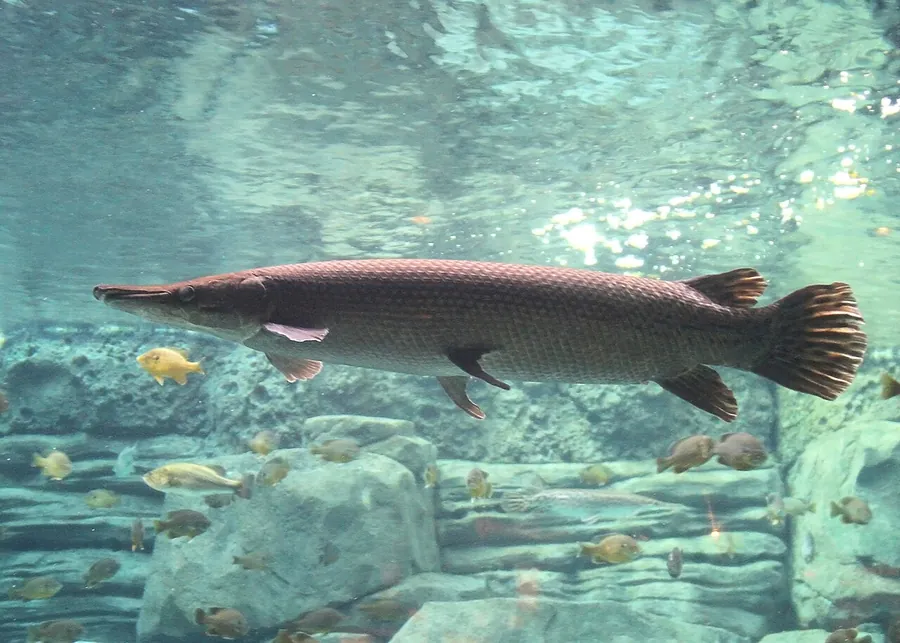 Alligator GarAtractosteus spatula |
279 lbRio Grande, TX (1951) | 20 lb | 100 lb | 14× |
How to read these charts: each bar's full width is the all-tackle world record. The blue fill is a typical catch; the red notch is a trophy benchmark — a fish most anglers remember for years. The record figures are widely reported all-tackle marks; the IGFA record database is the authoritative source — verify current records there before planning a record attempt. Average and trophy figures are working benchmarks from charter and tournament norms, not official statistics.
Think you beat the average?
Photograph your catch and the AI fish identifier will help you confirm the species — then check it against the records above.
Identify my fish