Southern Flounder vs. summer flounder: how to tell them apart
Both flatfish face right. Spot patterns and range do the talking.
Fast comparison
| Feature | Southern Flounder | Summer Flounder |
|---|---|---|
| Ocellated spots | About 3 large eyespots; few small spots | 5–6 eyespots plus many small spots on the flank |
| Blind side | Unspotted white; occasional dark blotch | Unspotted white |
| Tail edge | Rounded to double-rounded | Truncated (square-ish) |
| Range | Gulf and US Southeast Atlantic coasts | Mid-Atlantic to New England ("fluke") |
Photograph these features
- Eyed side flat on the deck for spot count
- Tail edge profile
- Mouth open — fluke show larger teeth
- Location noted: the two coasts differ
When it is not clear-cut
Gulf anglers also meet gulf flounder; the 3-spot rule holds there too. Fin-ray counts are the lab-grade tiebreaker but the spot pattern is usually enough.
Identification tools can be wrong. Confirm uncertain fish with the local fisheries authority before relying on the result for harvest or possession rules.
Compare your catch
Use an AI-assisted suggestion as a starting point, then check the features above yourself.
Upload a fish photoBrowse speciesSouthern Flounder species guide
Full profile: habitat, baits, seasons and range.
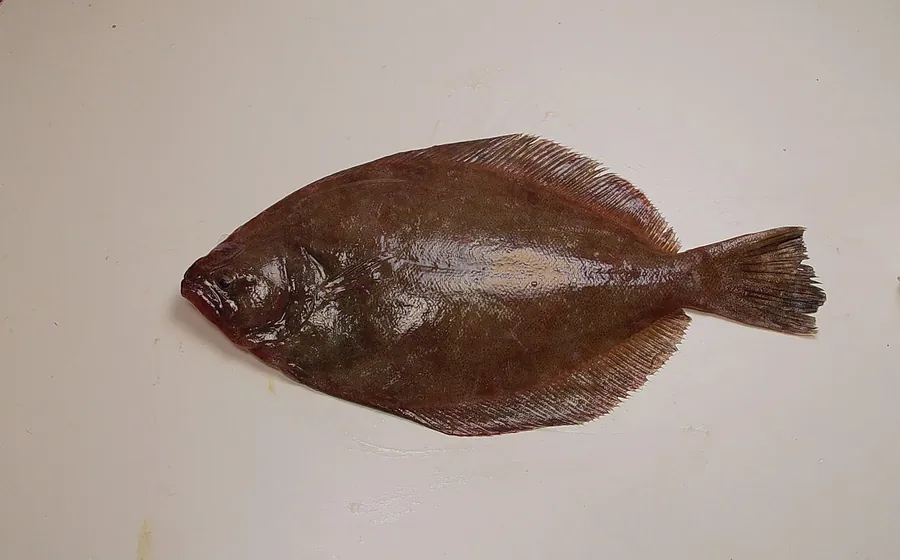
Summer Flounder species guide
Full profile: habitat, baits, seasons and range.
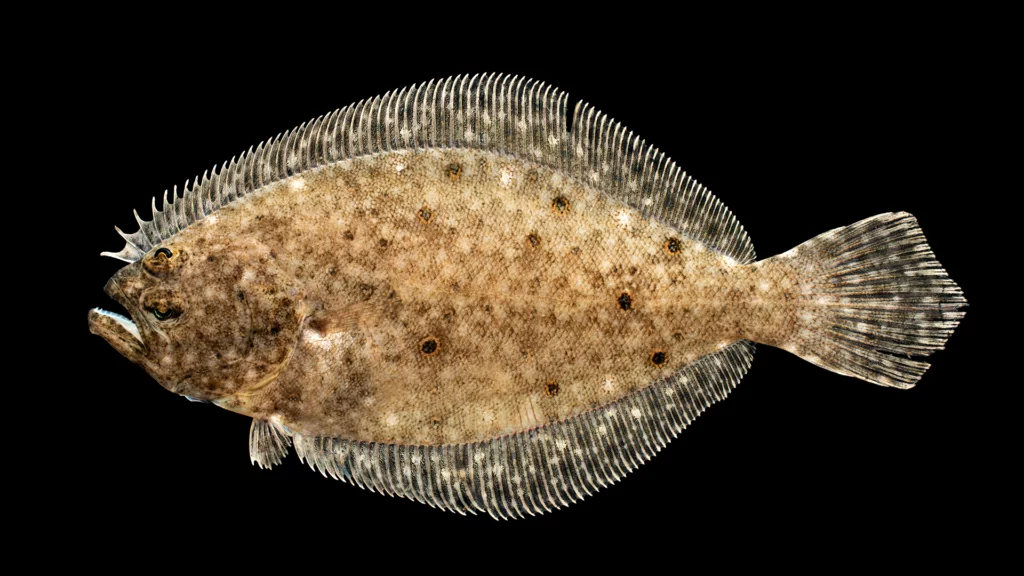
Frequently asked questions
- Which is bigger?
- Summer flounder reach larger typical sizes in the Northeast; southern flounder grow big in Gulf passes.
- Both "fluke"?
- Northeast anglers call summer flounder "fluke"; southern flounder is the Gulf/Carolina flatfish.
- Same baits?
- Both take live finger mullet, mud minnows and soft plastics bounced along the bottom.
Authoritative references
Paralichthys lethostigma — Wikipedia
Paralichthys dentatus — Wikipedia