Northern Pike vs. muskellunge: how to tell them apart
The esox cousins: cheek scales, spot-versus-bar patterns and tail shape tell them apart.
Fast comparison
| Feature | Northern Pike | Muskellunge |
|---|---|---|
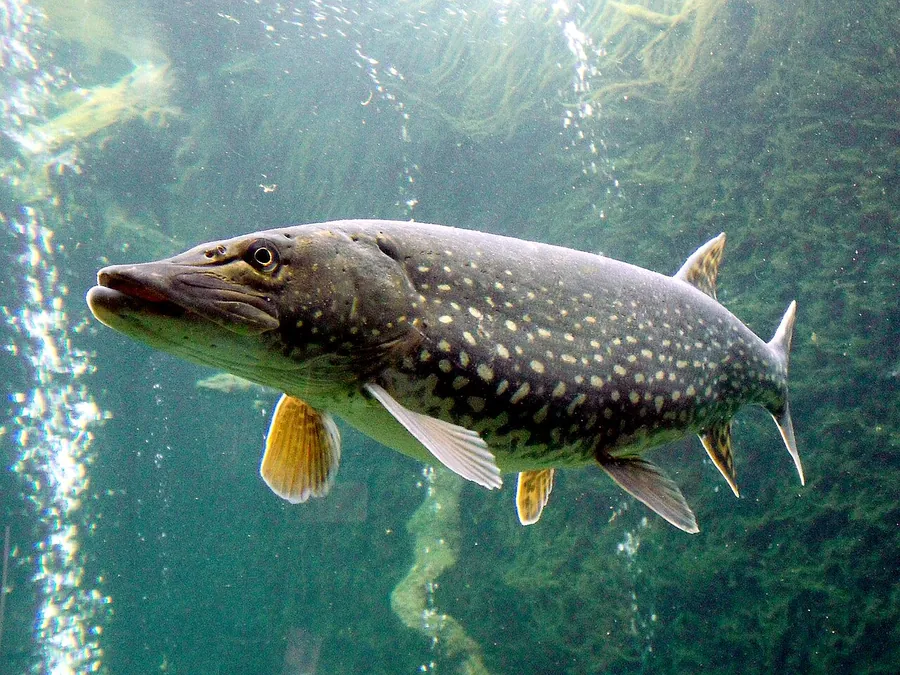
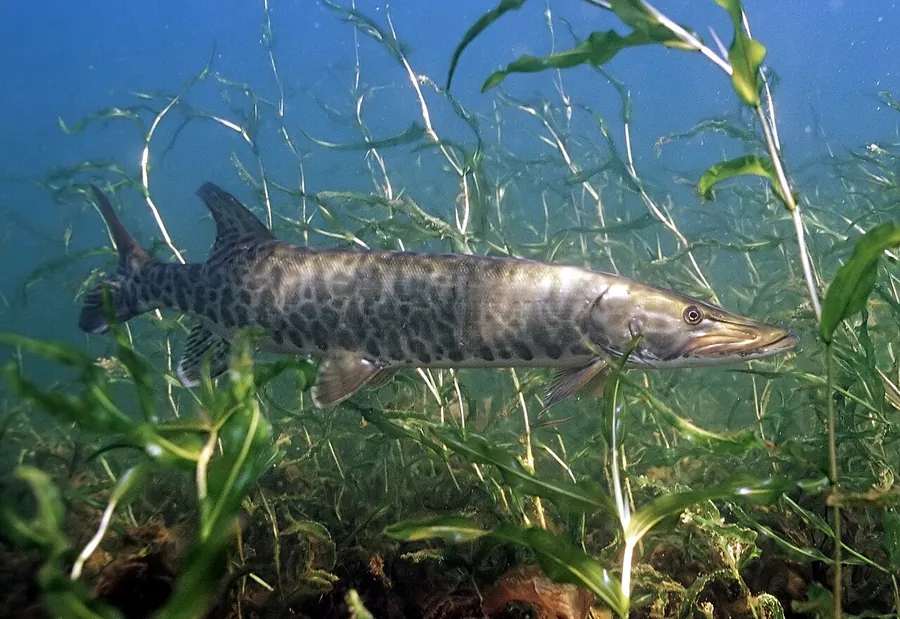
| Cheek scales | Fully scaled cheek and gill cover | Lower half of the cheek bare (scaleless patch) |
| Pattern | Light bean-shaped spots on dark body | Vertical dark bars on a lighter body |
| Tail | More forked | Rounded |
| Size | Commonly 24–40 in | Commonly 36–50 in where established |
Photograph these features
- Cheek close-up — scales or bare skin
- Full flank for spot-versus-bar pattern
- Tail spread for edge shape
- Head profile — muskie jaws look longer and duck-billed
When it is not clear-cut
Tiger muskellunge (pike × muskie) show bars plus spots and the muskie cheek patch; they are stocked in several states. Juvenile muskie can be spot-heavy — check the cheek.
Identification tools can be wrong. Confirm uncertain fish with the local fisheries authority before relying on the result for harvest or possession rules.
Compare your catch
Use an AI-assisted suggestion as a starting point, then check the features above yourself.
Upload a fish photoBrowse speciesNorthern Pike species guide
Full profile: habitat, baits, seasons and range.
Muskellunge species guide
Full profile: habitat, baits, seasons and range.
Frequently asked questions
- Which is harder to catch?
- Muskellunge — the "fish of ten thousand casts." Pike are far more willing.
- Do they share water?
- Yes across the northern tier; pike school shallower, muskie hold deeper structure.
- Which bites more in summer?
- Pike keep biting through summer heat; muskie often shift to dawn, dusk and night.