Largemouth Bass vs. spotted bass: how to tell them apart
Spotted bass increasingly share largemouth water. One mouth-length check and one tongue check settle most IDs.
Fast comparison
| Feature | Largemouth Bass | Spotted Bass |
|---|---|---|
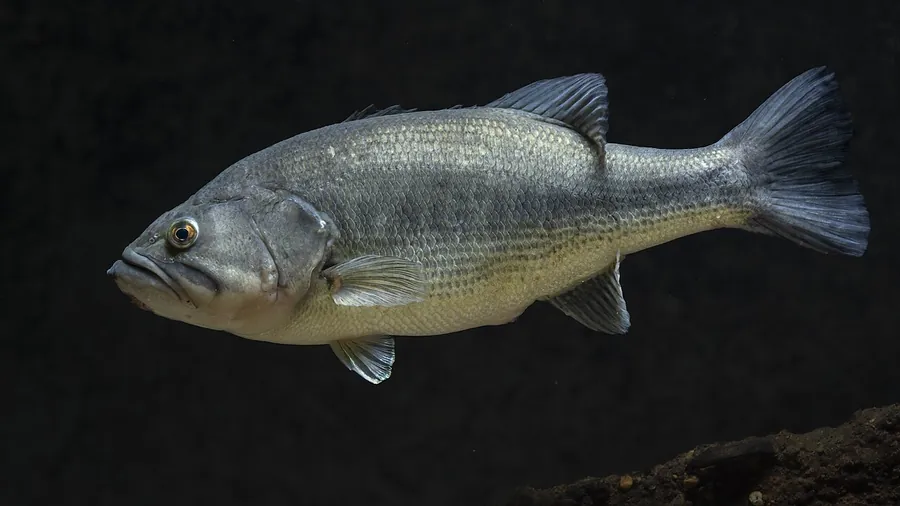
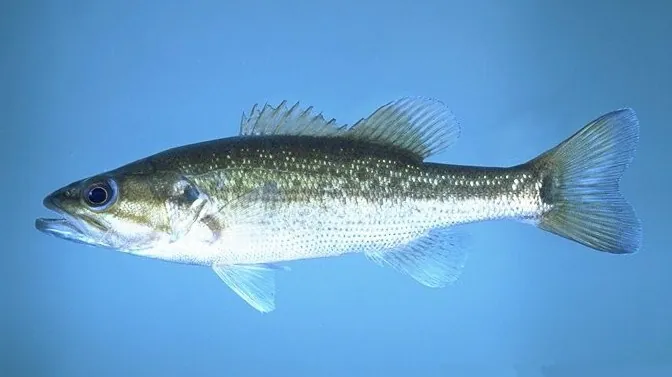
| Mouth / jaw | Upper jaw extends past the rear of the eye | Upper jaw stops at or just short of the eye |
| Dorsal fin | Clear notch between the two sections | Sections connected by a low arch, nearly continuous |
| Flank pattern | Dark lateral blotch chain along the side | Rows of small spots below the lateral line |
| Tongue | Smooth tongue | Rough tooth patch at the base of the tongue |
Photograph these features
- Closed-mouth side view for jaw length
- Open mouth angled to reveal the tongue base
- Dorsal fin profile showing notch versus arch
- Flank shot of the spot rows versus blotch
When it is not clear-cut
The tongue patch is the most reliable single clue but requires a careful look. Hybrids blur features; photograph the jaw, dorsal and flank and compare at home.
Identification tools can be wrong. Confirm uncertain fish with the local fisheries authority before relying on the result for harvest or possession rules.
Compare your catch
Use an AI-assisted suggestion as a starting point, then check the features above yourself.
Upload a fish photoBrowse speciesLargemouth Bass species guide
Full profile: habitat, baits, seasons and range.
Spotted Bass species guide
Full profile: habitat, baits, seasons and range.
Frequently asked questions
- Which grows larger?
- Largemouth grow notably larger in most waters; spotted bass rarely reach trophy largemouth proportions.
- Are spotted bass bad for a lake?
- They compete with largemouth in some systems, but management views vary by state — check local agency guidance.
- How common is the tongue patch check?
- Common among bass anglers; run a fingertip gently along the tongue base — spotted bass show a rough patch.
Authoritative references
Micropterus salmoides — Wikipedia
Micropterus punctulatus — Wikipedia