Channel Catfish vs. flathead catfish: how to tell them apart
A forked tail versus a rounded one, and two totally different feeding styles — the ID mirrors the biology.
Fast comparison
| Feature | Channel Catfish | Flathead Catfish |
|---|---|---|
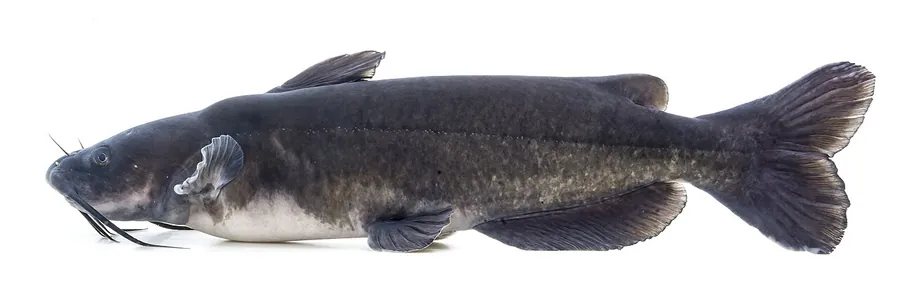
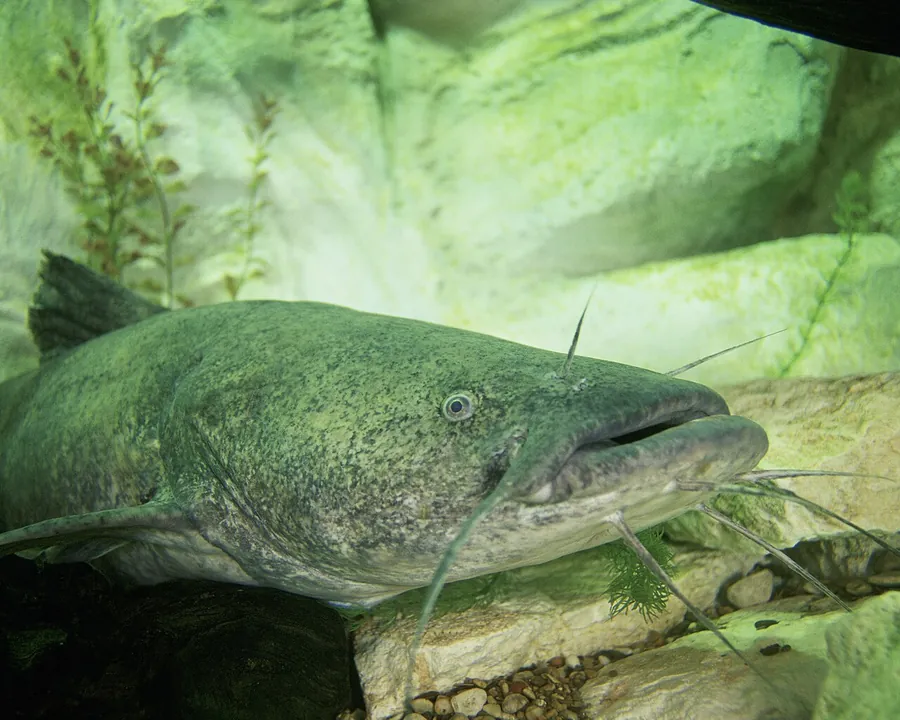
| Tail | Deeply forked | Slightly forked to rounded |
| Head / jaw | Pointed snout, upper jaw even with lower | Broad flat head; lower jaw sticks out past the upper |
| Color | Slate to olive with scattered dark spots | Yellow-olive to chocolate brown, plain or mottled |
| Feeding | Opportunistic scavenger — cut bait, stink bait | Live-fish predator — sunfish, shad, live bait rigs |
Photograph these features
- Tail spread to show fork depth
- Head profile from the side showing jaw overlap
- Full body color in even light
- Mouth view — flatheads look distinctly "bull-dog"
When it is not clear-cut
Flathead color shifts with water clarity; the protruding lower jaw and tail shape hold up in any water. Young flatheads can look plain like channels — check the jaw.
Identification tools can be wrong. Confirm uncertain fish with the local fisheries authority before relying on the result for harvest or possession rules.
Compare your catch
Use an AI-assisted suggestion as a starting point, then check the features above yourself.
Upload a fish photoBrowse speciesChannel Catfish species guide
Full profile: habitat, baits, seasons and range.
Flathead Catfish species guide
Full profile: habitat, baits, seasons and range.
Frequently asked questions
- Which is more active at night?
- Both feed at night, but channel catfish roam in schools; flatheads hunt from cover, often live-bait only.
- Which grows bigger?
- Flatheads reach larger typical sizes; both produce century-class river giants in southern reservoirs.
- Do channels eat live fish too?
- Yes, especially at dusk, but their scavenger streak makes them far easier to bait.
Authoritative references
Ictalurus punctatus — Wikipedia
Pylodictis olivaris — Wikipedia